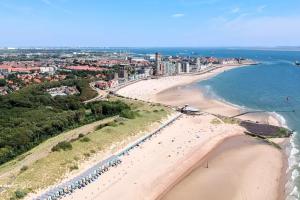
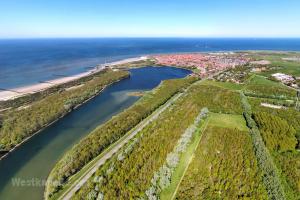
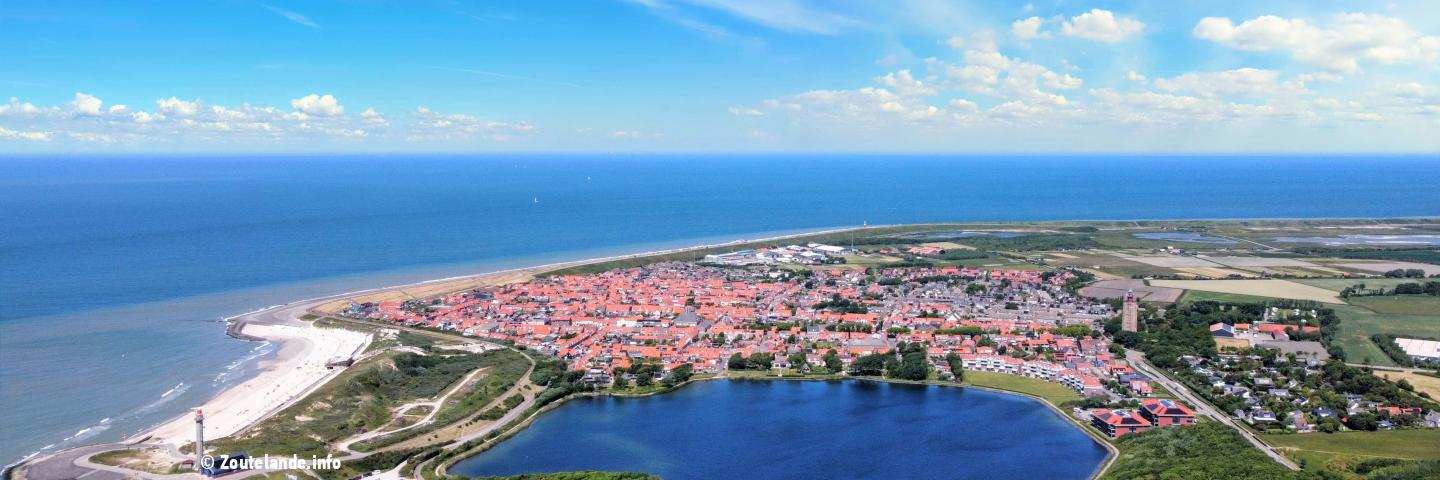
Picture this: you are standing on the broad sea dike, the wind in your hair, and before you the North Sea stretches all the way to the horizon. Behind you lies Westkapelle, the westernmost village of Walcheren, with white cottages, two lighthouses and a history that stays with you.
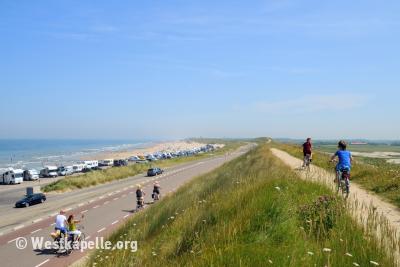
Sheltered behind an impressive dike: where almost the entire Dutch coast is protected by a belt of dunes, that belt is missing here. Instead, the five-kilometre Westkapelle sea dike holds back the sea, one of the most impressive coastal defences in the country.
Not your average seaside resort: there are no busy promenades or tourist crowds here, but rugged nature, fresh sea air and plenty of space. That is precisely what makes Westkapelle so special.
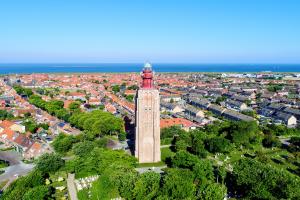
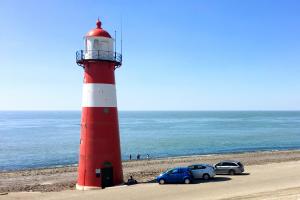
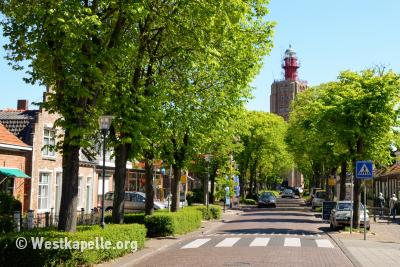
A village with two lighthouses: the striking 't Hoge Licht (53 metres, the tallest lighthouse in the Netherlands) and the photogenic red Noorderhoofd together define the skyline, a rarity for such a small place.
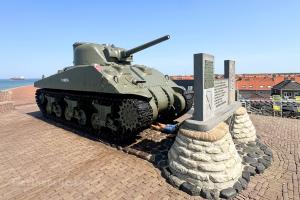
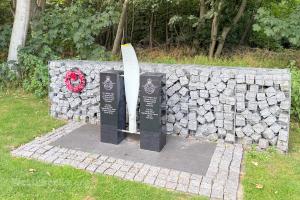
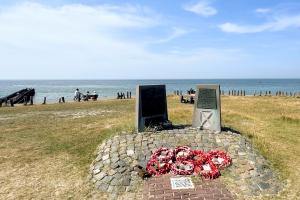
A rich wartime history: Westkapelle bears the marks of 1944, when the village played a key role in the liberation of Walcheren. That history is still tangible at the monuments and in the Polderhuis.
A proud community and Zeeland flavours: the locals cherish their traditions, such as the characteristic sport of ring riding, and you can taste the real Zeeland on your plate with fresh mussels, samphire and a sweet bolus.
Something for every visitor: whether you want to clear your head on the beach, are fascinated by the Second World War, come to surf or simply enjoy the peace and quiet, Westkapelle has it all.
Lighthouse 't Hoge Licht
The imposing lighthouse of Westkapelle is the landmark of the coastal town and a must-see for every visitor. What makes the tall lighthouse of Westkapelle so special? - Impressive height: At 53 metres and six floors, it is the tallest lighthouse of Westkapelle. From kilometres away, you can see this robust structure rising above the village. - Breathtaking view: After a ...
The Noorderhoofd lighthouse is one of the most iconic lighthouses on the Dutch coast. What makes the Noorderhoofd lighthouse so special? - Landmark by the sea: With its striking red colour and white band, the tower is an unmistakable symbol of Westkapelle. - Photogenic icon: This low lighthouse is the most photographed object in Westkapelle. Its location on the sea dike ...
Located in the picturesque village of Westkapelle, the Polderhuis offers visitors an in-depth look into the rich history of this part of Zeeland. This museum and visitor center is dedicated to life in the polder, the Second World War, and the flood of 1944. What to Expect at the Polderhuis in Westkapelle? -
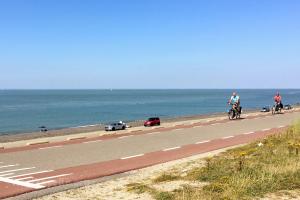
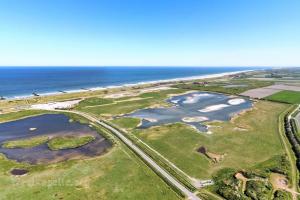
Between the North Sea and the village of Westkapelle lies the impressive Westkapelle Sea Dyke. What makes the Sea Dyke of Westkapelle special? This five-kilometre-long sea defence protects Walcheren from the sea and is at the same time one of the most beautiful places in the village for walking, cycling and getting some fresh air. - Impressive coastal defence: From the ...
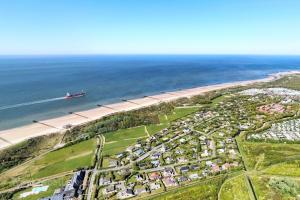
The nature around Westkapelle is truly special. The village lies on the westernmost tip of the Walcheren peninsula, surrounded by beaches, dunes, polders and woods. This creates a variety of landscapes that you will not find so compactly anywhere else in the Netherlands.
On the north side of the village is 't Gat beach, a small, cosy beach that you reach by crossing the sea dyke from the village centre.
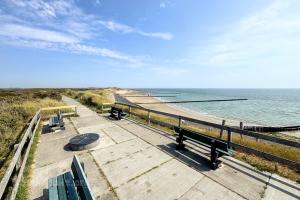
Would you rather take a long beach walk? Then head south towards Zoutelande, along the expansive Erica beach. This is a wide and relatively quiet beach with lively surf and beautiful views across the North Sea.
The total beach area around Westkapelle is almost five kilometres long. Even in high season, you will find plenty of peace and space here.
The dunes: The dunes around Westkapelle are among the highest dunes in the Netherlands. You really notice this when you stand on top: the view over the surrounding area is stunning. You look out across the North Sea and the green polder landscape of Walcheren at the same time. The dunes are also ecologically valuable, with rare plants and animals that are seldom found elsewhere in the country.
De Manteling
The Manteling of Walcheren is one of the most remarkable nature reserves in Zeeland. This stunning area lies between the coastal towns of Domburg and Oostkapelle, forming a unique landscape ...
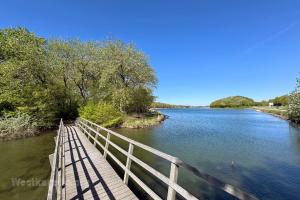
The Westkapelle Forest and Westkapelle Creek form a beautiful nature area on the Zeeland coast, just south of Westkapelle. Why visit Westkapelle Forest and Creek? Here, nature, histo ...
Nature reserve Noordervroon is a beautiful and dynamic coastal landscape between Westkapelle and Domburg, directly behind the sea dike. A paradise for walkers, cyclists, birdwatchers and anyone ...
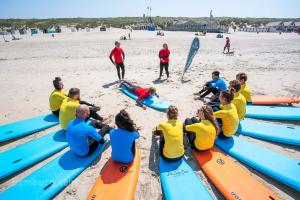
Surfing and kitesurfing: The stretch of coast between Westkapelle and Domburg is regarded as the surfing hotspot of the Netherlands. Thanks to its favourable location, the waves here are bigger than elsewhere along the Dutch coast. The surf spot at the end of the Panoramaweg is particularly popular with experienced kite surfers and windsurfers.
Walking: Around Westkapelle there are countless walking routes for every level. Choose a short beach walk, a route through the dunes, a route along the creeks or an excursion through the Manteling. In spring and autumn, walking is extra special: nature is at its most beautiful then, and you will often have the paths almost to yourself.
Cycling: Walcheren is a dream destination for cyclists. The roads are quiet, the landscape is flat and the routes are well signposted. From Westkapelle you can enjoy beautiful cycling trips towards Domburg, Veere, Middelburg or through the polders. The lighthouse is visible from afar and always helps you find your way back. Bicycles can be hired locally.
Events and markets: In the summer months, there is a weekly tourist market in Westkapelle and the surrounding villages. There are also annual recurring events such as a classic car day, a fair, concerts, flea markets and the characteristic ring riding, a centuries-old Zeeland tradition in which riders or carriage drivers aim at a small ring. A fun way to experience local culture up close.
Food & drink in Westkapelle
Westkapelle may be small, but its hospitality scene is surprisingly good. From a quick bite after a day at the beach to an extensive dinner with fresh sea aster and mussels, you are in the right place here. Most venues work with seasonal and day-fresh products, often straight from the land or the sea.
Brasserie De Zeezot: One of the most popular places to eat in Westkapelle. In a cosy conservatory, you can enjoy a well-prepared lunch or an extensive dinner. The menu revolves around seasonal products, with Zeeland flavours taking centre stage. Think fresh mussels, fried fish and other regional dishes.
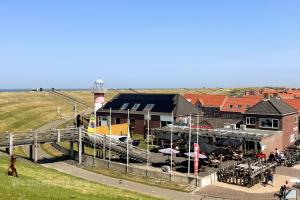
Dijkpaviljoen De Westkaap: Located on the sea dyke, this pavilion offers fantastic views across the North Sea. Ideal for a drink at sunset or lunch with a sea view. When the sea is rough, it is especially spectacular here, with the water seeming very close by.
Strandbar Bombaai: This trendy beach bar has a menu with a mix of regional dishes and international flavours. On sunny days, you can watch the sun sink behind the horizon from the spacious terrace. A perfect spot after a day of surfing or beach walking. The atmosphere is informal and the cocktails are good.
Strandpaviljoen Bluv: This pavilion is also located on or near the beach and is ideal for a snack or drink during or after a beach day. Relaxed, good food, and you feel as though the sea is within easy reach.
Melis Frituur: At the foot of the sea dyke you will find Melis, a well-known name in the area. Hand-cut chips, prepared in the traditional way. After a long day outdoors, a cone of chips from Melis might just be the best thing that could happen to you. Small, popular and always busy in the season.
Zeeland specialities: Do not leave without trying a few Zeeland delicacies. Zeeland mussels are a must, fresh, served with chips and a glass of chilled white wine. Zeeland shrimps, oyster salad, sea aster and Arnemuiden sprat are also well worth trying. And do not forget the Zeeuwse bolus: a sweet, sticky pastry with cinnamon and dark brown sugar. A Zeeland icon.
Staying overnight in Westkapelle
Holiday homes and apartments: The most popular way to stay overnight in Westkapelle is in a holiday home. There are various providers of furnished holiday homes and apartments in and around the village. Ideal for families or couples who want to stay for a few days and explore the area at a relaxed pace.
Campsites: There are several campsites in the immediate surroundings of Westkapelle. From small, atmospheric family campsites to larger holiday accommodation with more facilities. Camping by the sea in Zeeland has an unmistakable atmosphere of its own: in the evening you hear the waves and the wind, and in the morning you wake up cheerfully beside your tent.
Hotels and B&Bs: If you prefer a bed & breakfast or hotel, Westkapelle and the immediate surroundings also offer good options. For a wider choice of hotels, you can also look in Domburg or Zoutelande, both just a short distance away.
Practical information
Access by car: Westkapelle is easy to reach via the N57 from Middelburg. The drive from Middelburg takes about twenty minutes. Via the A58 motorway, you can easily travel towards Walcheren from Belgium or Brabant.
Parking: In Westkapelle there are plenty of parking spaces available, including along the Zuidstraat, on the Markt and in a car park at Abraham Calandplein. In high season, however, it can take some searching. Arrive early or park a little further outside the centre and walk or cycle the final stretches. Paid parking spaces are also available close to the beach.
Best time to visit: Westkapelle is beautiful all year round. In summer, from June to August, it is at its busiest and sunniest. Spring and autumn offer peace, beautiful light conditions and a rugged, fresh atmosphere. In winter, Westkapelle is almost deserted, ideal if you really want to get away from the world and do not need an open restaurant.
Dogs welcome: Dog owners take note: dogs are welcome all year round on large parts of Westkapelle beach. Do pay attention to the seasonal rules for certain designated zones. The creek area and the nature around Westkapelle are also great for a dog walk.
Family outing: Westkapelle is excellent for families with children. The wide beach is safe, there is plenty to do, and the Polderhuis museum also manages to fascinate children with its stories and exhibits, such as the tank and the landing craft outside. The peaceful atmosphere of the village makes it pleasant for young and old alike.
Day trips from Westkapelle
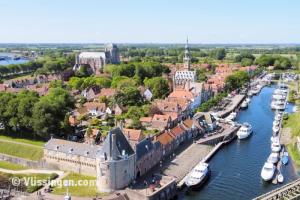
Veere, the pearl of Walcheren
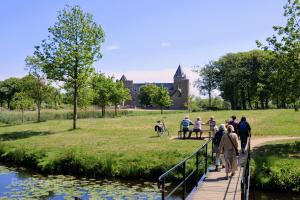
Veere is an idyllic town with just 1,600 inhabitants. It is known for its rich history and many monumental buildings. As you wander through the narrow streets, you are surrounded by the beauty of ancient architecture and the charm of the marina. The relaxed atmosphere makes Veere the perfect place for a leisurely day out or a long weekend away. In the low-traffic centre, ...
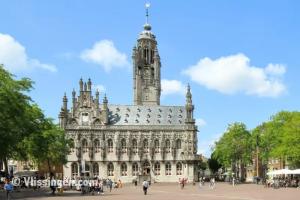
Middelburg, the proud and compact capital of Zeeland, effortlessly combines historic charm with modern amenities. As the smallest provincial capital with over 42,000 inhabitants, Middelburg offers a unique opportunity to see and experience a lot in a short time. The city is rich in more than 1,150 national monuments, making it the seventh municipality in the Netherlands ...
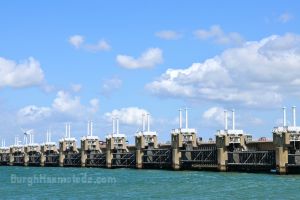
The Oosterschelde storm surge barrier is the icon of the Dutch battle against the water and a masterpiece within the world-famous Delta Works. Not just a dam - Created after the North Sea Flood (1953): Decision to build a storm surge barrier nearly 9 km long with enormous gates. - Not just a dam: Originally planned as a closed dam, but thanks to protests from fishermen ...
Vlissingen, located on the southern coast of Zeeland, is a city with a rich maritime history and beautiful beaches. Whether you love culture, nature, or a day by the sea, Vlissingen offers something for everyone.
Westkapelle has been inhabited for over a thousand years and has a history that stays with you, from a church lost to the sea to the dramatic war year of 1944.
Origin of the name: the name derives from West-Kapel and refers to a church that stood here until 1067, dedicated to Saint Willibrord and one of the five Zeeland mother churches. That church literally disappeared into the sea, yet the site remained a place of pilgrimage for a long time afterwards.
Centuries of settlement: people were already active in the area around the year 900, as proven by an earthenware pot found in 1945 and dated to between 1050 and 1150.
The bombing of 1944: on 3 October 1944 the RAF bombed the sea dike at Westkapelle, in order to make the heavy German bunker positions of the Atlantic Wall on Walcheren untenable by flooding the island. It worked, but at an enormous cost.
An immense tragedy: the bombing killed almost 160 inhabitants, around ten per cent of the entire population. In the cellar of a mill, 47 villagers had taken shelter; not one of them came out alive.
Liberation and destruction: on 1 November 1944 British and Canadian troops landed through the breach in the dike on either side of the village, where by then only six inhabitants remained. Westkapelle lay largely destroyed and half under water.
Traces to this day: the creeks and woods south of the village arose directly from the bombing, when the seawater cut deep channels into the ground that have never fully recovered.
Finally: why Westkapelle?
Westkapelle is a place you will not quickly forget. It is not the largest, not the busiest and not the best-known seaside resort in the Netherlands, and that is precisely its strength. Here you can unwind. Here you can feel the history. Here you eat fresh mussels while the wind tugs at your jacket and the lighthouse casts its light across the sea.






 Buy tickets in advance now